All Torani Syrup Flavors: The Complete List (2026)
Walk into any café in America and there’s a good chance the vanilla in your latte or the raspberry in your Italian soda came from Torani. Founded in 1925 by Rinaldo and Ezilda Torre in San Francisco, Torani started with just five syrup recipes for Italian sodas — and has grown into one of the world’s biggest flavor brands.
Today the lineup is genuinely huge: Torani says it offers more than 150 flavors sold around the globe, spread across several product lines — Classic, Sugar Free, Puremade, Puremade Zero Sugar, and a line of dessert sauces. This guide organizes them all so you can actually find what you need, whether you’re stocking a home coffee bar or just hunting for one perfect flavor.
Last updated: October 20, 2026. Prices below were observed on October 20, 2026 and can change — always check the current listing before you buy.
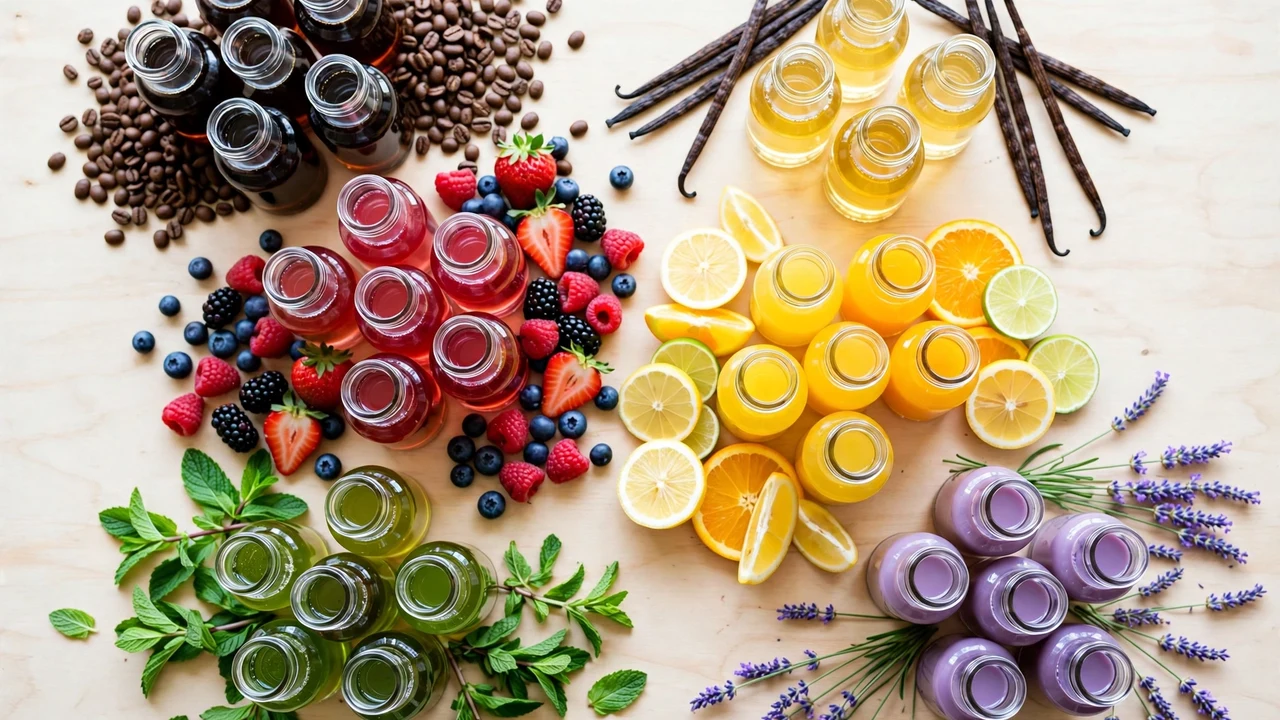
🍯 Torani Flavor Lineup: The Snapshot
Flavor availability changes seasonally and by region. Torani’s official site lists the current full catalog; this guide covers the well-known and widely available flavors in each line.
Quick Answer: How Many Torani Syrup Flavors Are There?
Torani advertises a portfolio of over 150 flavors. That count spans the Classic line (the largest), the Sugar Free line, the Puremade line, the Puremade Zero Sugar line, and seasonal or limited-edition releases that rotate throughout the year.
An exact, fixed number is hard to pin down because Torani adds and retires flavors — the company names an annual Flavor of the Year and releases seasonal staples like Pumpkin Pie, Gingerbread, and Peppermint. The most reliable current list is always on the official Torani website.
The Five Torani Product Lines at a Glance
Before the flavor lists, it helps to know which line you’re shopping. Each one serves a different drinker, and prices vary by line.
| Line | Sweetener | Key traits | Best for |
|---|---|---|---|
| Classic | Pure cane sugar | Largest flavor selection; natural flavors; contains preservatives | Everyday coffee, sodas, cocktails, desserts |
| Sugar Free | Sucralose | Zero-calorie versions of the most popular flavors | Keto, low-carb, and sugar-conscious drinkers |
| Puremade | Pure cane sugar | GMO-free; no artificial flavors, colors, or preservatives | Clean-label seekers who still want real sugar |
| Puremade Zero Sugar | Alternative sweeteners | Zero sugar with Puremade’s no-artificial stance | Zero-sugar drinkers who avoid artificial ingredients |
| Sauces | Varies | Thicker, drizzle-style dessert sauces | Mochas, frappes, milkshakes, sundaes |
Classic Syrup Flavors: Coffeehouse & Dessert
The Classic line is the heart of Torani — the tall 750 ml bottles you’ll spot behind café counters. Below are the widely available Classic flavors grouped by vibe. Every flavor gets a best-use note so you’re not guessing.
Vanilla, Caramel & Nut Flavors
- Vanilla — the single most-used Torani flavor. Smooth, warm, endlessly mixable. Best use: lattes, cold brew, milkshakes.
- French Vanilla — a richer, creamier vanilla with a deeper custardy note. Best use: lattes and frappes where you want extra body.
- Classic Caramel — buttery, golden, café-standard. Best use: caramel lattes, macchiatos, drizzled desserts.
- Salted Caramel — caramel with a salty edge that keeps it from tasting flat. Best use: iced lattes, cold foam.
- Classic Hazelnut — toasted, toasty hazelnut; the other café “big three” flavor. Best use: lattes, cappuccinos.
- Toasted Hazelnut — hazelnut with a deeper roasted edge. Best use: dark-roast coffee pairings.
- Almond — sweet almond (orgeat-style) flavor. Best use: Italian sodas, cocktails, steamed milk.
- Amaretto — sweet almond-cherry liqueur flavor, minus the alcohol. Best use: dessert coffees, mocktails.
- Macadamia Nut — buttery, tropical nutty flavor. Best use: cold brew, white chocolate mochas.
- Pistachio — mild, creamy pistachio. Best use: spring lattes, matcha drinks.
- Almond Roca — buttery toffee with chocolate notes, inspired by the candy. Best use: dessert lattes.
- English Toffee — buttery brown-sugar toffee. Best use: hot lattes, drizzled over ice cream.
- Dulce de Leche — milky caramel, softer and creamier than Classic Caramel. Best use: lattes, tres leches cakes.
Chocolate & Mocha Flavors
- Chocolate — straightforward cocoa syrup for drinks. Best use: mochas, chocolate milk, Italian sodas.
- Chocolate Milano — dark, sophisticated chocolate. Best use: dark mochas, affogato.
- White Chocolate (Chocolate Bianco) — creamy, sweet white chocolate. Best use: white mochas, frappes.
- Dark Chocolate — bittersweet chocolate edge. Best use: mochas for people who find white chocolate too sweet.
- Creme de Cacao — chocolate-liqueur flavor without alcohol. Best use: dessert cocktails, mochas.
- Peanut Butter Cup — peanut butter meets chocolate. Best use: blended frappes, milkshakes.
- S’mores — toasted marshmallow, chocolate, and graham notes. Best use: iced coffee, hot chocolate.
- Chocolate Macadamia Nut — chocolate with buttery nut. Best use: dessert lattes.
Spiced, Warm & Seasonal-Adjacent Flavors
- Cinnamon — clean, warm cinnamon. Best use: chai lattes, apple drinks, Mexican mochas.
- Brown Sugar Cinnamon — brown sugar with warm spice; shaken-espresso favorite. Best use: iced shaken espresso, cold brew.
- Chai Tea Spice — cardamom-forward chai blend. Best use: dirty chais, steamed milk.
- Spiced Chai — bolder, spicier chai. Best use: chai lattes that stand up to espresso.
- Gingerbread — molasses, ginger, and warm spice. Best use: holiday lattes.
- Pumpkin Pie — pumpkin with pie spice. Best use: fall lattes, cold foam.
- Pumpkin Spice — spicier take on pumpkin. Best use: iced pumpkin lattes.
- Peppermint — cool, clean mint. Best use: peppermint mochas, holiday drinks.
- Creme de Menthe — sweet mint-liqueur flavor. Best use: grasshopper-style mocktails, mochas.
- Eggnog — creamy holiday spice. Best use: December lattes, steamers.
- Maple — breakfast-y maple sweetness. Best use: lattes, cold brew, pancakes drizzled with it too.
- Toasted Marshmallow — campfire-toasted sweetness. Note: this flavor is reported to contain gluten, so check the label if that matters to you. Best use: hot chocolate, dessert lattes.
- Irish Cream — creamy, cocoa-tinged flavor. Best use: dessert coffee, steamers.
- Tiramisu — coffee, cocoa, and mascarpone notes. Best use: dessert lattes.
- Cupcake — sweet vanilla-cake flavor. Best use: steamers, Italian sodas for kids’ parties.
- Cotton Candy — nostalgic spun-sugar flavor. Best use: Italian sodas, lemonades.
Classic Syrup Flavors: Fruit & Iced Drinks
Torani’s fruit syrups are what built the company — they were created for Italian sodas back in 1925. These shine in cold drinks: Italian sodas, lemonades, iced teas, dirty sodas, and cocktails.
- Raspberry — bright, jammy, and the backbone of countless Italian sodas. Best use: Italian sodas, lemonades, iced tea.
- Black Raspberry — deeper, darker berry. Best use: lemonades, cocktails.
- Blue Raspberry — electric-blue, candy-sweet. Best use: kids’ lemonades, blue Italian sodas.
- Strawberry — classic ripe strawberry. Best use: strawberry Italian sodas, milk, lemonades.
- Blackberry — tart, dark berry. Best use: iced tea, dirty sodas.
- Blueberry — sweet, true blueberry. Best use: lemonades, iced lattes with a twist.
- Huckleberry — wild-berry, Pacific Northwest favorite. Best use: Italian sodas, lemonades.
- Cherry — sweet red cherry. Best use: cherry limeades, Italian sodas.
- Black Cherry — deeper, darker cherry. Best use: cocktails, dirty sodas.
- Peach — juicy, ripe peach. Best use: iced tea, bellini-style mocktails, lemonades.
- White Peach — softer, more floral peach. Best use: white tea, spritzers.
- Mango — tropical and juicy. Best use: dirty sodas, lemonades, iced tea.
- Pineapple — bright tropical tang. Best use: tiki mocktails, Italian sodas.
- Passion Fruit — tart, aromatic tropical. Best use: iced tea, lemonades, spritzers.
- Guava — sweet pink-guava flavor. Best use: tropical lemonades, Italian sodas.
- Pomegranate — tart, ruby-red. Best use: cocktails, iced tea, lemonades.
- Watermelon — juicy summer flavor. Best use: dirty sodas, lemonade, iced tea.
- Kiwi — tangy green-kiwi. Best use: Italian sodas, lemonades.
- Lemon — sharp citrus, great mixer. Best use: lemon Italian sodas, tea.
- Lime — zesty and crisp. Best use: cherry limeades, mojito-style sodas.
- Orange — sweet citrus. Best use: orange Italian sodas, iced tea.
- Blood Orange — deeper, berry-tinged citrus. Best use: spritzers, mocktails.
- Grapefruit — bittersweet citrus. Best use: paloma-style mocktails, sodas.
- Tangerine — sweeter, easy citrus. Best use: kids’ lemonades, iced tea.
- Green Apple — tart apple candy flavor. Best use: caramel-apple sodas, lemonades.
- Red Apple — sweeter, orchard apple. Best use: fall lemonades, caramel-apple drinks.
- Grape — classic purple-grape soda flavor. Best use: Italian sodas, shaved ice.
- Cantaloupe — mellow melon. Best use: summer Italian sodas.
- Banana — ripe banana candy flavor. Best use: smoothies, tropical sodas.
- Creme de Banana — banana-liqueur flavor. Best use: tiki mocktails, smoothies.
- Coconut — creamy tropical coconut. Best use: piña-colada-style sodas, iced lattes.
- Lavender — floral and calming. Best use: lavender lattes, lemonades.
- Rose — delicate floral. Best use: rose lattes, lemonades, iced tea.
- Elderflower — light, floral, Hugo-spritz vibes. Best use: spritzers, lemonades.
- Hibiscus — tart, ruby floral. Best use: iced tea, agua fresca-style drinks.
- Lemongrass — bright, citrusy-herbal. Best use: iced tea, spritzers.
- Blue Curacao — blue citrus, cocktail classic. Best use: blue mocktails, lemonades.
- Grenadine — pomegranate-cherry mixer. Best use: Shirley Temples, cocktails.
- Tamarind (Tamarindo) — tangy, sweet-sour. Best use: agua fresca-style drinks, mocktails.
- Root Beer — classic soda-shop flavor. Best use: root beer Italian sodas, floats.
- Cola — cola mixer. Best use: dirty sodas, floats.
- Sweet Tea — Southern-style sweet tea flavor. Best use: iced tea, lemonades.
Torani Sugar Free Syrup Flavors
The Sugar Free line mirrors the most-loved Classic flavors with zero calories and zero sugar, sweetened with sucralose. If you’re eating keto or low-carb, this is your lane — the flavors perform almost identically in hot coffee, where heat hides any aftertaste.
Popular Sugar Free flavors include: Vanilla, French Vanilla, Classic Caramel, Salted Caramel, Classic Hazelnut, Chocolate, White Chocolate, Brown Sugar Cinnamon, Raspberry, Strawberry, Peach, Blue Raspberry, Cherry, Blackberry, Blueberry, Coconut, Mango, S’mores, Peppermint, Almond Roca, Belgian Cookie, Chocolate Macadamia Nut, Peanut Butter Cup, Lavender, Galaxy, and a calorie-free Sweetener for plain sweetening.
Here’s how the heavy hitters compare between the two lines:
| Flavor | Classic | Sugar Free | Puremade Zero Sugar |
|---|---|---|---|
| Vanilla | ✓ | ✓ | ✓ |
| Caramel | ✓ | ✓ | ✓ |
| Hazelnut | ✓ | ✓ | ✓ |
| Chocolate | ✓ | ✓ | ✓ |
| Salted Caramel | ✓ | ✓ | ✓ |
| Raspberry | ✓ | ✓ | ✓ |
| Peppermint | ✓ | ✓ | ✓ |
| S’mores | ✓ | ✓ | ✓ |
| Brown Sugar Cinnamon | ✓ | ✓ | ✓ |
| Lavender | ✓ | ✓ | ✓ |
| Pumpkin Spice | ✓ | ✓ | ✓ |
| Toffee Nut | ✓ (seasonal) | — | ✓ |
For a deeper dive, see our full review of Torani Sugar Free Vanilla — the flavor that started the sugar-free coffee craze for many home baristas.
Torani Puremade & Puremade Zero Sugar Flavors
Puremade is Torani’s answer to the clean-label crowd. The pitch is simple: GMO-free, with no artificial flavors, colors, or preservatives — just real-sugar sweetness with shorter ingredient lists. The Puremade Zero Sugar line extends the same philosophy to zero-sugar drinkers using alternative sweeteners instead of sugar.
Puremade flavors currently include: Vanilla, Caramel, Salted Caramel, Hazelnut, Chocolate, Coconut, Brown Sugar Cinnamon, Lavender, Mango, Peach, Peppermint, Pumpkin Spice, Raspberry, S’mores, Toffee Nut, and an unflavored Sweetener.
Which line should you buy? If ingredients matter most, go Puremade. If calories matter most, go Sugar Free or Puremade Zero Sugar. If you just want the widest flavor choice and the classic café taste, Classic is still king.
Torani Sauces: Caramel, Chocolate & More
Separate from the syrups, Torani makes thicker dessert sauces designed for drizzling — think mocha swirls and sundae toppings. The core sauce flavors are Classic Caramel, Salted Caramel, Dark Chocolate, White Chocolate, plus real-cream dessert sauces in select flavors. Sauces are richer and less pourable than syrups, so use them as finishers rather than mixers: drizzle inside the cup for a mocha, over whipped cream, or on ice cream.
Seasonal & Limited-Edition Flavors
Torani runs a seasonal calendar plus an annual Flavor of the Year — for 2026, that’s Forest Pine, an evergreen-inspired flavor aimed at winter drinks. Seasonal staples typically include Pumpkin Pie, Pumpkin Spice, Gingerbread, Peppermint, Eggnog, Toasted Marshmallow, Maple, and Apple-family flavors in fall, with floral and tropical limited runs in spring and summer.
Limited editions sell out fast — last fall’s seasonal bottles disappeared from several retailers weeks before the holidays. If a seasonal flavor is your thing, stock up early. For party inspiration, check out our 7 spooky Torani Halloween drink recipes, which lean on seasonal flavors like pumpkin and apple.
☕ 5 Starter Combos Worth Trying First
New to Torani? These pairings show off what each line does best — pick one per category and you’ll cover 90% of café drinks.
- Vanilla latte — Classic Vanilla + espresso + milk. The benchmark every other flavor is judged against.
- Raspberry Italian soda — Classic Raspberry + sparkling water + half-and-half. Torani’s origin story in a glass.
- Sugar-free caramel cold brew — Sugar Free Classic Caramel + cold brew. Zero sugar, full café feel.
- Puremade hazelnut cappuccino — Puremade Hazelnut + espresso + foam. Clean-label comfort.
- White chocolate mocha drizzle — White Chocolate sauce drizzled inside the cup before a mocha. Dessert-level finish.
Torani Syrup Price Guide (Observed October 20, 2026)
Most 750 ml / 25.4 oz Torani bottles sell for roughly $9–$17 depending on the retailer, flavor, and whether a pump is included. Specialty lines (Puremade) and seasonal flavors usually run a dollar or two higher. Here are real listings spotted on October 20, 2026 — prices shift constantly, so always check the current listing before buying:
| Retailer | Product | Price (observed 2026-10-20) |
|---|---|---|
| Amazon | Classic Vanilla 750 ml, pump included | $14.99 |
| Amazon | Classic Watermelon 750 ml, pump included | $14.99 |
| Amazon | Classic White Chocolate 750 ml, pump included | $18.99 |
| Amazon | Classic Pumpkin Spice 750 ml, pump included | $7.49 |
| Amazon | Classic Vanilla 750 ml, 2-pack | $24.94 |
| Walmart | Classic French Vanilla 750 ml (plastic bottle) | $14.26 |
| Walmart | Classic Raspberry 12.7 oz | $8.73 |
| Walmart | Classic Gingerbread 750 ml | $14.90 |
| Walmart | Classic Apple 750 ml | $16.98 |
| Walmart | Classic Lavender 750 ml | $13.09 |
| WebstaurantStore | Classic Lemon 750 ml (glass bottle) | $9.89 |
| WebstaurantStore | Classic Grape 750 ml (glass bottle) | $9.89 |
| WebstaurantStore | Sugar Free Classic Caramel 750 ml (glass) | $9.89 |
| Specialty retailers | Puremade Zero Sugar 750 ml (various flavors) | $10.99–$14.99 |
Glass-bottle restaurant-supply pricing (like WebstaurantStore) is often the cheapest per bottle if you’re buying several flavors at once. Variety packs — like Costco’s six-bottle Sugar Free set — can cut the per-bottle cost further. For the full rundown of stores and buying tips, see our full where-to-buy guide.
✅ Syrup Buying Checklist
- ☐ Pick your line first — Classic for choice, Sugar Free for zero calories, Puremade for clean label.
- ☐ Check bottle size — 750 ml is standard; 12.7 oz exists for trying flavors cheaply.
- ☐ Glass vs. plastic — glass looks better on a bar cart; plastic is lighter and shatterproof.
- ☐ Grab a pump — one pump ≈ ¼ oz; reusable across bottles and worth the few dollars.
- ☐ Compare per-bottle price — variety packs and restaurant-supply stores usually win on value.
- ☐ Verify the listing is current — prices in this guide were observed 2026-10-20 and change often.
Ingredients, Nutrition & Allergens
Classic Torani syrups are built on pure cane sugar, water, and natural flavors, with sodium benzoate and potassium sorbate to preserve freshness and citric acid for balance. Here’s the nutrition panel for a typical Classic syrup (Vanilla, 750 ml bottle), per 1 fl oz (2 tbsp) serving:
| Nutrient | Per 1 fl oz serving |
|---|---|
| Calories | 80 |
| Total fat | 0 g |
| Sodium | 0 mg |
| Total carbohydrate | 20 g |
| Total sugars (incl. 20 g added sugars) | 20 g |
| Protein | 0 g |
Sugar Free syrups contain zero calories and zero sugar per serving, sweetened with sucralose. Puremade lines skip artificial flavors, colors, and preservatives and are GMO-free.
On allergens: Torani states that most of its syrups are allergen-free, and many bottles are labeled gluten-free and kosher. But there are exceptions — Toasted Marshmallow is reported to contain gluten — so always read the label on your specific bottle rather than assuming. If you have celiac disease or a serious allergy, verify with Torani directly.
⚡ Quick Facts: Serving & Storage
Serving size: 1 fl oz (2 tablespoons) per drink is the standard pour; a 750 ml bottle makes about 25 drinks.
Pump math: a standard syrup pump dispenses about ¼ oz — so 4 pumps = 1 serving.
Storage: unopened bottles keep at room temperature; opened bottles do not need refrigeration — see our guide on whether Torani syrups need refrigeration.
Shelf life: go by the best-by date printed on the bottle; once opened, most people finish a bottle within a month or two for peak flavor.
How to Choose the Right Torani Flavor
With 150+ options, decision paralysis is real. Start with your drink, not the flavor wall.
For hot coffee and lattes, you can’t go wrong with the café classics: Vanilla, French Vanilla, Classic Caramel, or Classic Hazelnut. These were designed for espresso and they show it. Curious how the brand compares to coffeehouse syrups? Read how Torani stacks up against Starbucks syrups.
For iced drinks, sodas, and lemonades, reach for the fruit line — Raspberry, Strawberry, Peach, Mango, and Watermelon are the crowd-pleasers. Torani’s fruit syrups dissolve instantly in cold liquid, which is exactly what they were invented for.
For zero-sugar goals, the Sugar Free line covers all the essentials; start with Vanilla or Classic Caramel since they’re the most forgiving in coffee. For ingredient-conscious shoppers, Puremade is the middle ground.
For experimenting, grab one wildcard per order — Lavender, Rose, Tamarindo, or the current Flavor of the Year. One adventurous bottle a month is how most Torani collectors end up with a full bar cart. And when you’re ready to mix, our guide to using Torani syrup in drinks and desserts covers ratios, layering, and recipes. Still deciding which to buy first? Our ranking of the most popular Torani syrups is a good shortcut.
Frequently Asked Questions
How many Torani syrup flavors are there?
Torani says its portfolio includes more than 150 flavors sold worldwide. The exact count shifts over time because flavors are added, retired, or released seasonally — check Torani’s official site for the current catalog.
What are the most popular Torani syrup flavors?
Vanilla, Classic Caramel, Classic Hazelnut, French Vanilla, and Chocolate consistently top the charts. They’re the café standards you’ll find in nearly every coffee shop that uses Torani.
Are Torani syrups gluten-free?
Many Torani syrups are labeled gluten-free and kosher, but not all of them — Toasted Marshmallow, for example, is reported to contain gluten. Always check the label on your specific bottle.
How many calories are in Torani syrup?
A Classic Torani syrup has about 80 calories and 20 grams of sugar per 1 fl oz (2 tablespoon) serving. Sugar Free syrups have zero calories and zero sugar per serving.
Do Torani syrups need to be refrigerated?
No — opened Torani syrup does not need refrigeration. Store bottles sealed at room temperature, away from heat and direct sunlight.
What’s the difference between Classic and Puremade Torani?
Classic syrups use pure cane sugar with natural flavors plus preservatives. Puremade syrups are GMO-free with no artificial flavors, colors, or preservatives — the clean-label option that still uses real sugar.
What sweetener do Sugar Free Torani syrups use?
The Sugar Free line is sweetened with sucralose. If you want zero sugar without artificial sweeteners, look at the Puremade Zero Sugar line instead.
What sizes do Torani syrup bottles come in?
The standard retail size is 750 ml (25.4 fl oz), available in glass or plastic. Smaller 12.7 oz bottles and 375 ml bottles exist for select flavors, and pumps are sold separately.
Where can I buy Torani syrup?
Amazon, Walmart, Target, major grocery chains, Torani’s own website, and restaurant-supply stores all carry it. Specialty and seasonal flavors are easiest to find on Torani’s site or Amazon.
What is Torani’s Flavor of the Year for 2026?
Forest Pine — an evergreen-inspired flavor aimed at winter drinks. Torani announces a new Flavor of the Year annually based on beverage trends.
Can I use Torani syrup in cold drinks and sodas?
Yes — fruit syrups were literally invented for Italian sodas and dissolve instantly in cold liquid. They also work in iced tea, lemonade, dirty sodas, and cocktails.
How long does an opened bottle of Torani syrup last?
Go by the best-by date printed on the bottle. Unopened syrup keeps well at room temperature; once opened, most people use a bottle within a month or two for the freshest flavor.
Last updated: October 20, 2026. All prices were observed on October 20, 2026 and are subject to change — please check current listings before purchasing. Flavor availability varies by retailer and season; when in doubt, confirm the current lineup on Torani’s official website.